

Hidden Contamination: A Silent Threat to Children
Hidden Contamination: A Silent Threat to Children
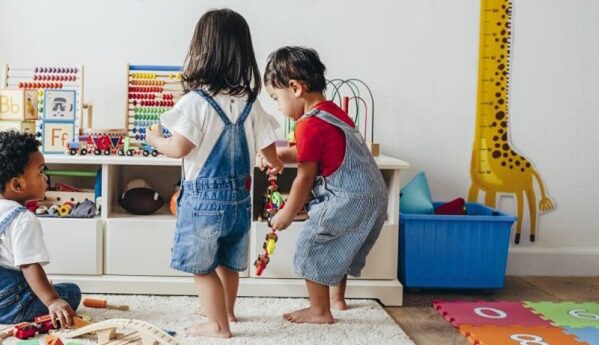
Children are naturally energetic and love to play. In fact, they spend most of their waking hours engaged in play. However, it is important to recognize that harmful germs may become unwanted playmates, lurking in children’s bedrooms and playrooms and posing a threat to their health. Disease-causing microorganisms can settle on favorite stuffed animals, LEGO® bricks, remote-controlled cars, and other toys. The surfaces of these items may harbor unwanted bacteria, viruses, and parasites that can lead to colds, influenza, and other viral or bacterial infections.
In addition, children frequently share their toys with one another. Health experts believe that this is one of the common ways infectious germs spread between children. Furthermore, because children have narrower airways and their immune systems are still developing, viruses can remain in their respiratory tract longer, making them more susceptible to illness.
Below are several simple yet effective ways to help protect children’s play areas from harmful germs and unwanted microorganisms.
Encourage Regular Handwashing:
Teaching children the proper way to wash and disinfect their hands is extremely important. Handwashing should become part of their daily routine. This can best be achieved through practical demonstration and repeated practice. Children should learn that washing their hands helps protect their health and that they should wash with warm water and soap for at least 20 seconds after everyday activities, then rinse and dry their hands thoroughly. To make hygiene easier when soap and water are unavailable, it is recommended to provide child-friendly hand sanitizers or disinfectant wipes.
Disinfect Frequently Touched Surfaces and Children’s Belongings:
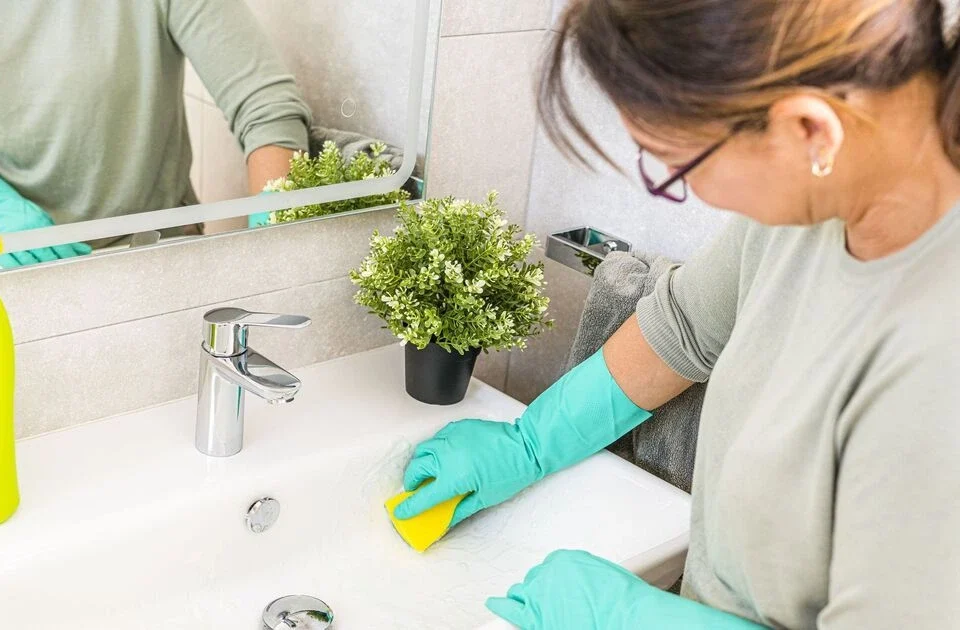
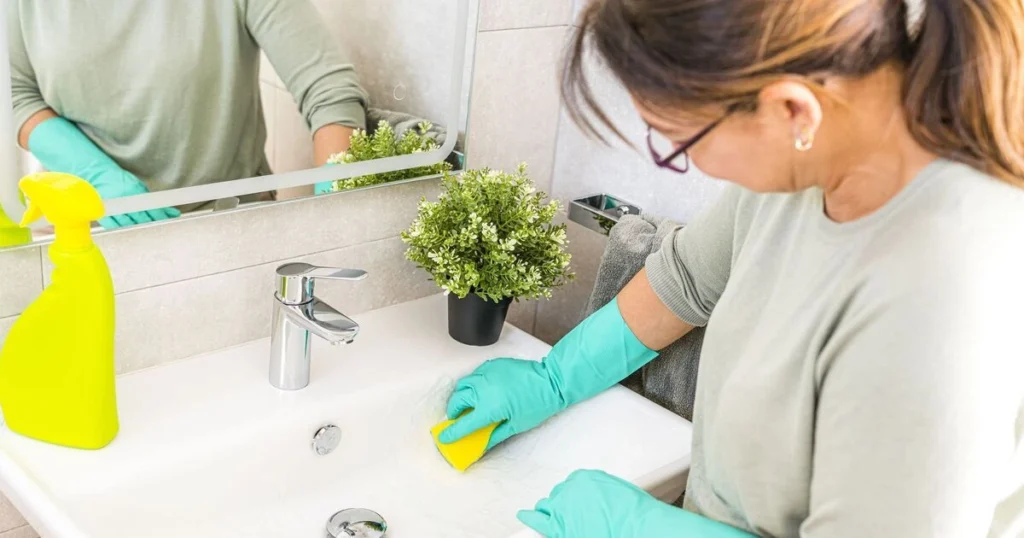
Use a surface disinfectant to eliminate germs from walls, door handles, drawer handles, wardrobes, toy storage bins, light switches, bedside lamps, television remote controls, computer keyboards, desks, and other frequently touched surfaces. Proper disinfection helps remove harmful microorganisms effectively.
Ensure Proper Ventilation or Use Air Filtration:
Opening doors and windows regularly helps improve airflow and ventilation in children’s rooms and play areas. High-quality air filtration systems can also reduce airborne contaminants and disease-causing microorganisms.
Use Small Washable Rugs Instead of Large Carpets:
Because children’s rugs tend to accumulate a significant amount of dirt and microorganisms, they should be washed weekly. Choosing smaller, washable rugs makes regular cleaning much easier and more effective.
Limit Group Play During Cold and Flu Seasons:
Children generally have much closer physical contact with one another than adults, making it easier for germs to spread. Although limiting group play during influenza or cold outbreaks may seem restrictive, it is important to remember that children can transmit influenza and cold viruses up to 24 hours before symptoms appear. During play, toys and close contact increase the likelihood of transferring virus-containing respiratory droplets, which may reach children’s respiratory systems before they have the opportunity to wash or disinfect their hands.
Keep Toys Thoroughly Clean and Disinfected:
Fabric toys can be sanitized by washing them in a washing machine. Plastic toys can be cleaned with soap and water or disinfected using child-safe disinfectant products. Board games and other hard-surface toys should also be cleaned regularly with appropriate disinfectants.
Change Bed Sheets Weekly:
Bed linens can become breeding grounds for bacteria, viruses, and other microorganisms. Therefore, washing or replacing them every week is highly recommended. If a child is sick, bed sheets should be changed and washed more frequently.
Do Not Allow Pets to Sleep on Children’s Beds:
Animal fur can carry allergens as well as disease-causing microorganisms. No matter how much children insist, it is best not to allow household pets to sleep on or near their beds.
Clean and Disinfect Household Floors and Surfaces:
Regular cleaning of floors and hard surfaces with appropriate cleaning products and water removes dust, dirt, germs, and visible mold, helping maintain a healthier home environment. Weekly cleaning is recommended, and during periods of increased infectious disease outbreaks, such as COVID-19, thorough cleaning and disinfection become even more important.