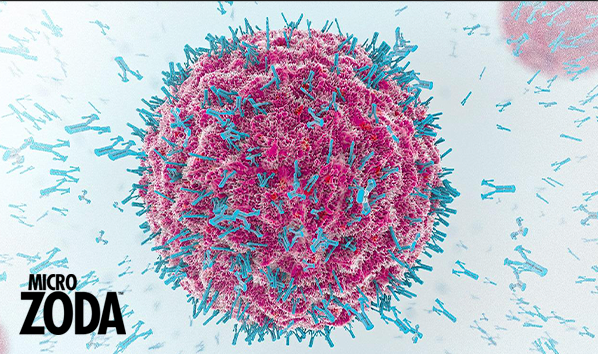


COVID-19 Antibody Test

COVID-19 Antibody Test
You may have experienced symptoms similar to the common cold in recent months that were actually caused by COVID-19. It is also possible to have been infected without developing any noticeable symptoms, as some individuals remain asymptomatic. A COVID-19 antibody test can help determine whether you have been infected with the virus in the past.
What Is an Antibody Test?
An antibody test is a blood test that looks for antibodies produced by your immune system in response to an infection such as COVID-19.
Unlike diagnostic tests that detect the virus itself, an antibody test does not determine whether the virus is currently present in your body. Instead, it indicates whether your immune system has previously been exposed to the virus and has mounted an immune response.
How Does the Test Work?
A small blood sample is collected and analyzed for the presence of two types of antibodies:
IgM antibodies, which are typically produced during the early stages of infection.
IgG antibodies, which usually develop later and may remain in the body after recovery.
It generally takes several weeks after infection for detectable levels of antibodies to develop, although the timing may vary from person to person.
How Accurate Is the Test?
A positive antibody test result suggests that you have been infected with COVID-19 at some point in the past. However, if testing is performed too soon after infection, antibody levels may not yet be high enough to detect, resulting in a negative test.
In some cases, an individual may have been infected but produce very low or undetectable antibody levels. This may occur if the infection was mild or if the body’s innate immune system controlled the virus before a strong antibody response developed. Therefore, a negative antibody test does not always rule out a previous COVID-19 infection.